30 fotos que mostram a evolução dos penteados do século passado
Join me on a journey through time as we explore 30 fascinating hairstyles that have defined each decade of the past century. From the bold and daring to the sleek and sophisticated, these iconic looks illustrate the ever-changing landscape of fashion and self-expression. Each hairstyle tells a unique story, reflecting the cultural trends and social attitudes of its era. Let’s take a closer look at how hairstyles have evolved, adapted, and transformed over the years, and perhaps gain a little inspiration for our own hair adventures.
1. Bob de Flapper dos anos 20

The 1920s flapper bob, a bold statement of liberation and modernity, redefined femininity. Women cut their locks into short, sleek bobs, often styled with finger waves. This hairstyle, paired with flapper dresses and jazz music, symbolized the Roaring Twenties’ rebellious spirit. The bob’s popularity marked a significant shift away from traditional long hairstyles, paving the way for future experimentation. It was a time when women embraced newfound freedom and self-expression, challenging societal norms. The flapper bob remains an iconic representation of this transformational era.
2. Ondas de Hollywood dos anos 30

As ondas glamorosas de Hollywood dos anos 30 personificavam a elegância e a sofisticação. Estes caracóis deliciosos e suaves, frequentemente usados por estrelas de cinema, tornaram-se sinónimo da Idade de Ouro de Hollywood. As mulheres aspiravam a imitar este estilo cativante, usando ferros quentes para conseguir a onda perfeita. O look era polido e refinado, muitas vezes complementado com ganchos de cabelo brilhantes ou fitas para a cabeça. Exalava uma sensação de luxo e fascínio, cativando o público em todo o lado. Atualmente, estas ondas continuam a inspirar os looks da passadeira vermelha, evocando um charme intemporal que transcende as décadas.
3. Rolos da vitória dos anos 40

Os rolos da vitória dos anos 40 não só reflectiam a resistência da guerra, como também celebravam a força feminina. Estes rolos volumosos, conseguidos através de um cuidadoso trabalho de prender e enrolar, tornaram-se um símbolo patriótico. As mulheres usavam-nos orgulhosamente como uma homenagem aos esforços do tempo de guerra. Incorporar este penteado na vida quotidiana era simultaneamente prático e elegante. Os victory rolls permitiam às mulheres abraçar um toque de glamour em tempos difíceis. O seu apelo duradouro reside na sua versatilidade, continuando a inspirar tanto os entusiastas do vintage como os cabeleireiros.
4. Corte Poodle dos anos 50

The 1950s poodle cut brought a playful and youthful flair to the decade. Characterized by tight curls and a round shape, it was both chic and manageable. This hairstyle complemented the era’s fun-loving spirit and was often seen in vibrant, pastel colors. Women embraced the poodle cut for its easy maintenance and fashionable appeal. It captured the essence of the post-war boom, where optimism and innovation thrived. The poodle cut remains a nostalgic nod to the era’s carefree attitude.
5. Colmeia dos anos 60

The 1960s beehive soared to new heights, literally and figuratively. This towering hairstyle, achieved with teasing and hairspray, symbolized the decade’s bold experimentation. Women embraced the beehive to make a dramatic statement, often accessorizing with headbands or ribbons. It was more than just a style; it represented an era of change and liberation. The beehive’s striking silhouette remains a testament to the daring fashion choices of the 60s, continuing to inspire retro-themed events and looks.
6. Pano de penas dos anos 70

The 1970s feathered shag captured the free-spirited essence of the era. This layered, feathered style offered a relaxed, yet fashionable look. It was effortlessly chic, embodying the bohemian vibes of the time. Popularized by celebrities, the shag was versatile and suited various hair types. It encouraged self-expression and individuality, making it a favorite among both men and women. The feathered shag is a timeless symbol of the 70s’ vibrant cultural and music scene.
7. Cabelo grande dos anos 80

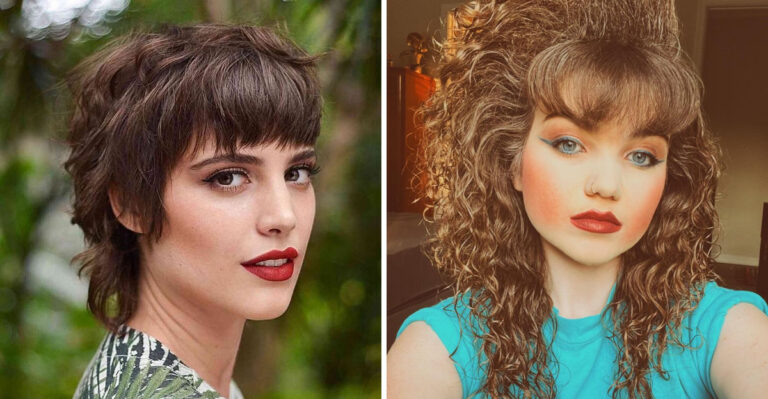
The 1980s celebrated big hair with unapologetic exuberance. Volume was key, with hair teased to new heights and secured with copious amounts of hairspray. This bold style, often accompanied by vibrant colors, embodied the decade’s extravagant and rebellious spirit. Big hair was more than just a trend; it was a statement of confidence and individuality. It continues to be a symbol of the 80s’ unique cultural landscape, inspiring modern interpretations and nostalgic celebrations.
8. Corte Rachel dos anos 90

The 1990s Rachel cut, made famous by a beloved TV sitcom, became an instant sensation. This layered, voluminous style exuded sophistication and charm. Women everywhere flocked to salons to replicate the look, making it one of the most iconic hairstyles of the decade. The Rachel cut’s appeal lay in its versatility and modern flair. It complemented various face shapes and hair types, offering a fresh take on classic layers. Its enduring popularity showcases its timeless allure.
9. Bangs emo dos anos 2000

The 2000s emo bangs captured the angst and individuality of the era. These long, side-swept bangs framed the face, often paired with dark, edgy clothing. The style symbolized a subculture that embraced emotional expression and alternative music. Emo bangs offered a way to stand out and express one’s personality. It became a defining feature of the emo scene, inspiring countless variations. The style’s influence persists, reflecting a unique period of youth culture and rebelliousness.
10. Ondas de praia dos anos 2010

Os anos 2010 abraçaram a beleza sem esforço com as beach waves. Este estilo ondulado e descontraído captou a essência de dias despreocupados e beijados pelo sol. Tornou-se um elemento básico para quem procurava um look natural, mas polido. As ondas de praia ofereciam versatilidade e facilidade, conseguidas com um mínimo de calor. O look era universalmente lisonjeiro, apelando a uma vasta gama de tipos de cabelo. A sua popularidade perdura, incorporando uma elegância descontraída que transcende o tempo.
11. Safra Eton dos anos 1920

The 1920s Eton crop was a daring departure from conventional styles. This ultra-short haircut, inspired by men’s grooming, symbolized boldness and defiance. Women who chose the Eton crop embraced a modern, androgynous look. It reflected the decade’s progressive attitudes and desire for equality. The Eton crop challenged gender norms, making a powerful statement. Its legacy lives on, inspiring contemporary short hairstyles that celebrate individuality and freedom.
12. Ondas de dedos dos anos 30

Finger waves of the 1930s exuded elegance and precision. Created using a comb and setting lotion, these sleek, defined waves were a staple of the era’s glamorous fashion. The style highlighted the polished sophistication of the time. Women wore finger waves to formal events, often pairing them with elegant gowns and accessories. Their enduring appeal lies in their timeless grace and artistry. Finger waves continue to inspire vintage-themed hairstyles and fashion.
13. Penteado dos anos 40

O corte à la pageboy dos anos 40 era simultaneamente chique e prático. Este estilo elegante e arredondado, com as suas extremidades de comprimento uniforme, oferecia um aspeto polido. Era ideal para mulheres que procuravam um penteado manejável, mas na moda. O corte à rapazinho adequava-se a várias formas de rosto e texturas de cabelo, tornando-o uma escolha versátil. A sua simplicidade e elegância captavam a essência da moda dos anos 40. O estilo continua a ser um clássico, admirado pela sua beleza discreta e praticidade.
14. Bouffant dos anos 50

The 1950s bouffant epitomized glamour and volume. This voluminous hairstyle, achieved with teasing and hairspray, offered a dramatic silhouette. Women embraced the bouffant for its elegance and sophistication. The style was often paired with chic eveningwear, creating a captivating look. It became a symbol of the decade’s fashion-forward mindset, inspiring modern interpretations. The bouffant remains a favorite for elegant events, evoking a sense of classic beauty.
15. Corte Pixie dos anos 60

The 1960s pixie cut was a bold, modern choice. This short, gamine style exuded confidence and charm. Women who embraced the pixie cut sought a fresh, contemporary look, often inspired by fashion icons. The style’s allure lay in its simplicity and versatility, flattering various face shapes. It became a symbol of feminine empowerment and liberation. The pixie cut’s enduring popularity showcases its timeless appeal and chic sophistication.
16. Afro dos anos 70

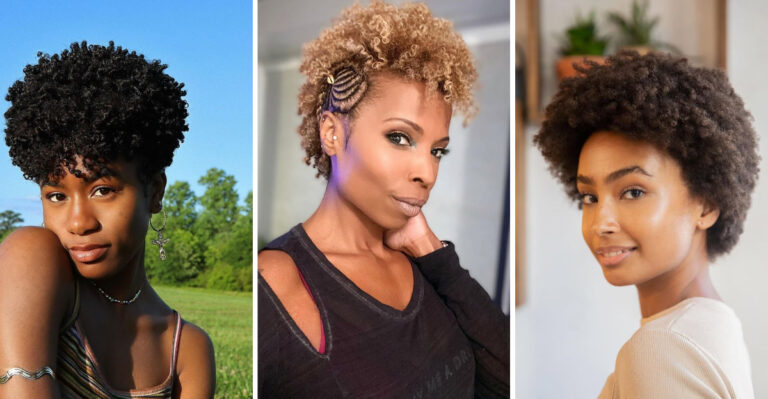
The 1970s afro celebrated natural beauty and cultural pride. This voluminous, rounded style became a symbol of the Black is Beautiful movement. Embracing natural texture, the afro empowered individuals to express their identity and heritage. The style was both bold and beautiful, challenging societal norms. Its influence extended beyond fashion, inspiring a cultural shift. The afro remains a powerful statement of self-expression and pride, resonating with today’s natural hair movements.
17. Tainha da década de 1980

The 1980s mullet was a polarizing, yet iconic hairstyle. Known for its “business in the front, party in the back” look, it embodied the era’s rebellious spirit. The mullet was embraced by rock stars and trendsetters alike. Its unique style offered a blend of sophistication and edginess. Though often debated, the mullet remains a memorable symbol of the 80s. It continues to inspire nostalgic revivals and modern adaptations.
18. Cabelo grunge dos anos 90

The 1990s grunge hair epitomized the era’s laid-back, nonconformist attitude. This unkempt look, characterized by tousled locks and natural texture, became a staple of the grunge music scene. It represented a rebellion against polished, mainstream styles. Grunge hair was effortless and authentic, embodying the free spirit of the 90s. Its influence extended beyond music, inspiring fashion and lifestyle. The style’s legacy endures, reflecting a unique period of cultural evolution.
19. Cabelo com chapinha dos anos 2000

The 2000s embraced flat ironed hair for a sleek, polished appearance. This pin-straight style became synonymous with minimalist fashion, offering a modern, sophisticated look. Women everywhere used flat irons to achieve the perfect straightness. The style’s appeal lay in its simplicity and versatility, complementing various fashion trends. Flat ironed hair remains a popular choice for its chic, effortless elegance. It continues to be a go-to style for those seeking a refined, contemporary look.
20. 2010s Undercut

The 2010s undercut redefined edgy sophistication. This versatile style featured shaved sides with longer top layers, offering a bold contrast. It became a favorite among trendsetters seeking an avant-garde look. The undercut’s adaptability allowed for creative expression, suiting various hair types and personal styles. Its popularity reflects a growing embrace of individuality and innovation. The undercut remains a contemporary symbol of bold fashion and self-assurance.
21. Ondas Marcel dos anos 20

The 1920s Marcel waves exuded grace and sophistication. Created with heated irons, these glossy, structured waves were a hallmark of the Jazz Age. The style complemented the era’s flapper fashion, offering a polished, elegant look. Marcel waves were often accessorized with decorative headbands or pins, enhancing their allure. The style remains a favorite for vintage-inspired events, epitomizing timeless glamour and artistry. Its intricate design continues to inspire modern hairstyling.
22. Pompadour dos anos 30

The 1930s pompadour was a suave, sophisticated choice. This voluminous style, with its swept-back top, exuded confidence and charm. It was embraced by men seeking a polished, dapper look, often seen in jazz clubs and social gatherings. The pompadour’s timeless appeal lies in its elegance and versatility. It continues to inspire modern adaptations, celebrating classic style with a contemporary twist. Its enduring popularity underscores its status as a quintessential men’s hairstyle.
23. Pompadour dos anos 40

The 1940s pompadour for women offered a blend of elegance and boldness. This voluminous style featured a pronounced wave, often paired with rolls or curls. It was a popular choice for women seeking a glamorous, yet practical look. The pompadour’s versatility allowed for creative styling, making it suitable for various occasions. Its influence extends into contemporary fashion, inspiring modern interpretations. The style remains a classic choice for those seeking a touch of retro sophistication.
24. Rabo de pato dos anos 50

The 1950s ducktail, also known as the DA, was a rebellious, stylish choice. This slicked-back look featured a distinctive “duck’s tail” at the back, achieved with pomade. It became synonymous with the rock ‘n’ roll culture. The ducktail offered a blend of edginess and sophistication, appealing to young trendsetters. Its influence persists, inspiring nostalgic revivals and contemporary takes on classic styles. The ducktail remains a symbol of youthful rebellion and cool.
25. Bouffant dos anos 60

The 1960s bouffant soared to new heights, showcasing glamour and volume. This voluminous style, achieved with teasing and hairspray, offered a dramatic silhouette. It was a popular choice for women seeking a bold, elegant look. The bouffant’s appeal lay in its sophistication and versatility, suiting various occasions. It remains a classic choice for those seeking retro-inspired glamour, evoking a sense of timeless beauty and fashion-forward flair.
26. Camadas longas dos anos 70

The 1970s long layers embodied the era’s free-spirited, natural beauty. This layered style offered a relaxed, yet stylish look, perfect for those seeking effortless elegance. It was ideal for showcasing natural texture and movement. Long layers became a favorite among those embracing bohemian vibes and cultural change. The style’s enduring popularity highlights its versatility and timeless appeal. It continues to inspire modern hairstyles, celebrating individuality and natural beauty.
27. Década de 1980 Perm

The 1980s perm was a bold, transformative choice. This curly style, achieved with chemical treatments, offered volume and texture. It became a defining feature of the decade’s extravagant fashion landscape. The perm’s appeal lay in its dramatic, eye-catching look. It was a favorite among those seeking a distinctive, fashion-forward appearance. The style remains a nostalgic nod to the 80s, inspiring modern revivals and creative interpretations.
28. Pontas foscas da década de 1990

The 1990s frosted tips were a cool, edgy choice. This highlighted style featured bleach-blonde tips, offering a contrast to natural hair color. It was a popular trend among young men seeking a fashion-forward look. Frosted tips embodied the playful, carefree spirit of the 90s. The style’s influence extended beyond hair, inspiring fashion and pop culture. Its legacy endures, reflecting a unique period of youth style and expression.
29. Cabelo espetado dos anos 2000

The 2000s spiky hair was a dynamic, energetic style. Achieved with gel or wax, these gravity-defying spikes offered a playful, edgy look. It was a favorite among those seeking a bold, standout appearance. Spiky hair became synonymous with the era’s vibrant, youthful energy. The style’s enduring appeal lies in its versatility and fun factor. It continues to inspire modern variations, celebrating individuality and creative expression.
30. Coque de homem dos anos 2010

The 2010s man bun offered a blend of style and practicality. This topknot style was embraced by men seeking a fashionable, yet easy-to-manage look. It became a symbol of the decade’s embrace of long hair for men. The man bun’s versatility allowed for casual or polished appearances. Its popularity highlights a growing acceptance of gender-fluid fashion. The style remains a contemporary favorite, embodying modern sophistication and laid-back charm.