30 acconciature popolari attraverso i decenni che amerete
Explore the evolution of hairstyles through the decades. Each style tells a story from its era, showcasing the creativity and cultural shifts in fashion. From glamorous waves to rebellious spikes, these iconic hairstyles continue to inspire and influence today’s trends.
1. 1920s: Il taglio Bob

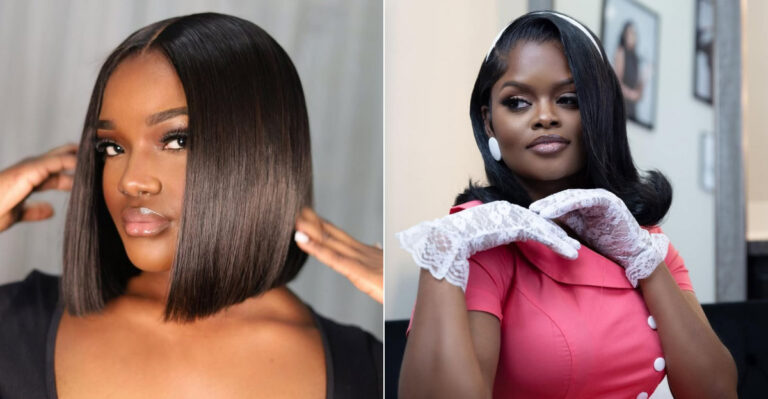
The 1920s bob cut symbolized women’s liberation and modernity. It was a sharp departure from traditional long locks, offering women a fresh, bold look. The bob was often paired with finger waves, adding a sense of elegance. This style remains a testament to the roaring twenties’ vibrant spirit and progressive mindset.
2. 1930s: Onde delle dita

Finger waves defined the 1930s elegance. This style involved shaping the hair into s-shaped waves using fingers and a comb, creating a smooth, sophisticated look. Often seen in Hollywood starlets, finger waves exuded glamour and class. They were perfect for formal occasions, reflecting the decade’s love for refined and polished hairstyles.
3. 1940s: Rotoli della vittoria

I rotoli della vittoria erano un'icona degli anni '40, simbolo di patriottismo e femminilità. Le donne arrotolavano sezioni di capelli verso il cuoio capelluto, formando voluminose ciocche. Questi rotoli lasciavano spazio alla creatività ed erano spesso decorati con foulard o fiori. Oltre a essere alla moda, questo stile era pratico per tenere i capelli lontani dal viso durante il lavoro.
4. 1950s: Taglio barboncino

The 1950s poodle cut was all about tight curls and volume. Inspired by poodles’ curly fur, this hairstyle became popular among young women for its cute and playful appearance. It required frequent salon visits to maintain its shape, representing the decade’s emphasis on polished, put-together looks. This style reflected the era’s youthful vibrancy.
5. 1960s: Alveare

The beehive hairstyle of the 1960s was known for its towering height and intricate teasing. This style required lots of hairspray and backcombing, creating a dramatic silhouette. Women adored it for its elegance and boldness. The beehive became a cultural icon, embodying the decade’s adventurous spirit and love for over-the-top fashion.
6. 1970s: Shag

The 1970s shag haircut was all about layers and texture. Both men and women embraced this look for its effortless and edgy vibe. The shag was easy to style, providing a carefree appearance that matched the decade’s laid-back attitude. This unisex hairstyle became a symbol of the rock ‘n’ roll era, celebrating freedom and individuality.
7. 1980s: Triglia

The mullet, popular in the 1980s, was business in the front, party in the back. This unique style featured short hair on top and sides, with longer hair at the back. Rock stars and athletes made it famous, embracing its rebellious edge. The mullet embodied the decade’s love for bold, unconventional fashion statements.
8. 1990s: La Rachele

“The Rachel,” named after Jennifer Aniston’s character on “Friends,” became the defining hairstyle of the 1990s. It featured layers with a face-framing shape, offering a fresh, voluminous look. Women flocked to salons to replicate this trendy style. “The Rachel” symbolized the era’s casual chic, influencing hair trends for years to come.
9. 2000s: Capelli emo

I capelli emo, popolari negli anni 2000, erano caratterizzati da frange lunghe e laterali e da tagli a strati. Spesso tinti di nero o con striature luminose, questo stile è diventato una parte fondamentale della sottocultura emo. Esprimeva individualità e profondità emotiva, risuonando con gli adolescenti che cercavano di farsi notare. L'acconciatura emo rimane un simbolo iconico dell'epoca.
10. 2010s: Undercut

L'undercut ha guadagnato popolarità negli anni 2010, noto per il contrasto tra i lati corti e la parte superiore più lunga. Questo stile versatile ha dato spazio alla creatività, con variazioni come slicked-back, pompadour o look texturizzati. L'undercut è stato abbracciato sia da uomini che da donne, celebrato per il suo fascino moderno e tagliente. Continua a influenzare le acconciature contemporanee.
11. 1920s: Onde delle dita

Le onde a dita, anch'esse un punto fermo degli anni '20, offrivano un tocco elegante e artistico. Le donne modellavano i capelli in onde morbide e scolpite, che spesso completavano i tagli a caschetto. Questa acconciatura catturava l'eleganza e la raffinatezza dei ruggenti anni Venti, rendendola una delle preferite per gli eventi serali. Le finger waves continuano a ispirare i look di ispirazione vintage anche oggi.
12. 1930s: Onde Marcel

Marcel waves in the 1930s were a variation of finger waves, created using heated irons. This technique produced deep, defined waves, exuding luxury and glamour. Ideal for formal events, marcel waves were popularized by Hollywood actresses. These waves added an air of sophistication, reflecting the decade’s fascination with refined and polished beauty.
13. 1940s: Riccioli a spillo

I riccioli a spillo erano un classico degli anni '40, noti per i loro ricci morbidi e voluminosi. Le donne sistemavano i capelli con le forcine, creando boccoli che incorniciavano splendidamente il viso. Questo stile era versatile, adatto sia per le occasioni casual che per quelle formali. I riccioli con le forcine incarnavano l'eleganza femminile dell'epoca, offrendo un look senza tempo che è ancora molto popolare.
14. 1950s: Bouffant

The bouffant hairstyle of the 1950s was all about volume and drama. Achieved through backcombing and hairspray, this style featured a lifted crown with curls or waves. It was a favorite for special occasions, offering a glamorous, put-together appearance. The bouffant reflected the era’s love for big, bold hairstyles that made a statement.
15. 1960s: Taglio Pixie

The pixie cut gained popularity in the 1960s, offering a fresh, modern look. Short and chic, this hairstyle was embraced for its ease and elegance. It became iconic when styled by celebrities like Audrey Hepburn. The pixie cut challenged traditional beauty norms, symbolizing the era’s progressive attitudes and love for minimalistic, bold fashion.
16. 1970s: Afro

L'afro è diventato un simbolo potente degli anni '70, rappresentando l'orgoglio nero e l'identità culturale. Questa acconciatura naturale si avvaleva di volume e consistenza, spesso modellati in una silhouette arrotondata. L'afro era più di una dichiarazione di moda: era una dichiarazione politica e culturale. Celebrava l'individualità e la diversità, influenzando le tendenze dei capelli in tutto il mondo.
17. 1980s: Pettinature

Perms in the 1980s brought voluminous curls and waves to the mainstream. This chemical treatment allowed for long-lasting curls, adding texture and body to the hair. Permed hair was versatile, offering both casual and glamorous looks. The style captured the era’s love for bold, expressive fashion, making it a favorite among trendsetters.
18. 1990s: Le treccine

Negli anni '90 le treccine erano più di una semplice acconciatura: erano un'espressione culturale. Queste trecce intricate offrivano un look unico e a bassa manutenzione, perfetto per gli stili di vita frenetici. Le treccine celebravano il patrimonio e l'individualità, diventando un punto fermo della cultura hip-hop e di strada. Rimangono uno stile popolare e versatile, ammirato per la sua bellezza e il suo significato.
19. 2000s: Capelli a spillo

Spiky hair in the 2000s was all about attitude and edge. Achieved using styling gel and wax, this look created sharp, defined spikes. Popular among young men, spiky hair reflected the era’s love for bold, expressive styles. It offered a fun, rebellious appearance, perfect for those looking to stand out and make a statement.
20. 2010s: Riccioli naturali

The 2010s saw a celebration of natural curls, embracing authenticity and diversity. This movement encouraged people to embrace their natural hair texture, moving away from chemical treatments. Natural curls symbolized empowerment and self-acceptance, aligning with the decade’s progressive values. This trend continues to inspire confidence and pride in natural beauty.
21. 1920s: Shingle Bob

Lo shingle bob degli anni '20 era un taglio elegante e audace che stava vicino alla testa. Conosciuto per le sue linee nette e precise, questo stile offriva un look sofisticato e moderno. Le donne abbracciarono lo shingle bob per il suo aspetto chic, che simboleggiava l'indipendenza e il cambiamento del ruolo della donna. Rimane una rappresentazione iconica dei ruggenti anni Venti.
22. 1930s: Onde di Hollywood

Le onde di Hollywood negli anni '30 hanno portato un tocco di glamour e raffinatezza sul grande schermo. Con i loro ricci lisci e fluenti, queste onde sono diventate sinonimo delle star di Hollywood. Ottenute con il ferro arricciacapelli e la lozione fissante, le onde di Hollywood emanavano eleganza e fascino. Continuano a essere le preferite per gli eventi da red carpet, incarnando una bellezza senza tempo.
23. 1940s: Bandana di Rosie la Rivettatrice

During the 1940s, the Rosie the Riveter bandana became an iconic symbol of working women. With hair tied back securely, this style offered practicality and empowerment. The bandana kept hair neat while symbolizing women’s contributions during the war. It remains a powerful representation of strength and resilience, celebrated for its historical significance.
24. 1950s: Pompadour

The pompadour of the 1950s was a bold, dramatic hairstyle that exuded confidence. With its high, voluminous front and sleek sides, this style was popular among rock ‘n’ roll enthusiasts. The pompadour represented a rebellious, daring attitude, making it a favorite among trendsetters. It continues to inspire modern takes on classic, retro styles.
25. 1960s: Acconciatura Mod

The mod hairstyle of the 1960s captured the decade’s youthful, vibrant spirit. Known for its sleek lines and geometric shapes, this look was often paired with bold fashion choices. Mod hairstyles celebrated individual expression and innovation, aligning with the era’s cultural revolution. They remain a symbol of 60s fashion, admired for their creativity.
26. 1970s: Capelli piumati

Feathered hair in the 1970s was all about soft, layered locks that framed the face. This style offered a natural, breezy look, perfect for the decade’s relaxed vibe. Feathered hair became popular through celebrities, offering a timeless elegance. It continues to inspire contemporary styles, celebrated for its effortless beauty and classic charm.
27. 1980s: Dissolvenza del top alto

L'high top fade è diventato uno stile caratteristico degli anni '80, soprattutto nella cultura hip-hop. Questo taglio è caratterizzato da una parte superiore alta e piatta con lati corti, che richiede precisione e abilità. L'high top fade rappresentava la creatività e l'individualità, ed era quindi uno dei preferiti dai trend setter. Rimane un look iconico, celebrato per la sua audacia artistica.
28. Anni Novanta: i punti salienti

Highlights became a major trend in the 1990s, offering a sun-kissed, natural look. This technique involved adding lighter streaks to the hair, creating depth and dimension. Highlights were versatile, elevating both casual and formal styles. They symbolized the era’s embrace of effortless beauty and remain a popular choice for those seeking a radiant, fresh appearance.
29. 2000s: Mohawk

Il mohawk, popolare negli anni 2000, era un'acconciatura audace e ribelle. Questo look prevedeva lati rasati e una striscia di capelli più lunghi al centro, spesso acconciati in posizione verticale. Abbracciato dalla cultura punk, il mohawk simboleggiava sfida e individualità. Offriva un aspetto drammatico e spigoloso, perfetto per chi voleva farsi notare e distinguersi.
30. 2010s: Nodo superiore

Il top knot è diventato uno dei preferiti negli anni 2010 per la sua semplicità e il suo stile. Questa acconciatura consiste nel raccogliere i capelli in un nodo sulla corona, offrendo un look chic e senza sforzo. Popolare tra le persone impegnate, il top knot simboleggiava praticità ed eleganza moderna. Continua a essere uno stile di riferimento, celebrato per la sua versatilità e facilità.